

Basel Ali
UX / UI Designer

Let’s turn your idea into
a great product.


Basel Ali
UX / UI Designer

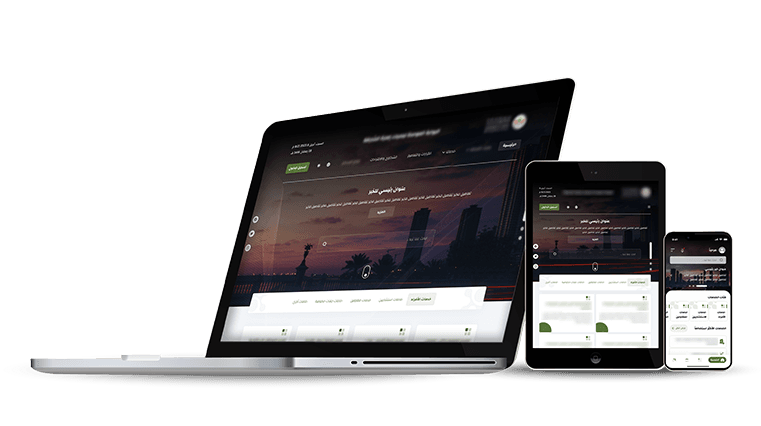
a large-scale digital transformation initiative by the Sharjah Government, designed to streamline and deliver municipal services through both web and mobile platforms. The platform serves a diverse user base, including individuals, engineers, consultants, contractors, and even other government entities.
This phase focused on understanding the needs of Sharjah's diverse municipal service users — citizens, engineers, consultants, contractors, and other government entities — identifying gaps in the existing platform, and mapping complex service journeys across web and mobile.
Redesign the existing municipal services portal
Transform the outdated platform into a modern, intuitive experience aligned with UAE digital government standards.
Deliver consistent web and mobile experience
Ensure seamless, feature-parity service access across both web browsers and mobile devices.
Serve diverse user groups with tailored flows
Design role-appropriate journeys for citizens, engineers, consultants, contractors, and other government entities.
Reduce service application submission time
Streamline multi-step application processes to reduce the time and effort required to submit municipal service requests.
Enable real-time service tracking
Provide transparent status updates so users can track their application progress at every stage.
Support bilingual Arabic and English interface
Deliver a fully bilingual RTL/LTR experience that meets UAE government accessibility and localization requirements.
Improve accessibility across user demographics
Design inclusive interfaces that work for all users, including those with varying levels of digital literacy.
Integrate with existing government backend systems
Ensure the front-end experience connects seamlessly with existing government data systems and service workflows.
Municipal Leadership Sessions
Strategy alignment sessions with Sharjah Municipality department heads to define the redesign scope and service priorities.
Front-line Staff Interviews
In-depth sessions with service desk staff to understand operational workflows, common user issues, and internal process constraints.
Citizen User Research
Direct interviews and contextual inquiry with citizens to capture real-world service request experiences and pain points.
Professional User Research
Sessions with engineers, consultants, and contractors to understand specialized service needs and workflow requirements.
Technical Constraints Review
Collaborative sessions with the development team to identify backend limitations and integration dependencies.
Cross-department Coordination
Workshops with multiple government departments to map inter-departmental service handoffs and approval flows.
Existing Portal UX Audit
Systematic review of the current portal's navigation structure, information architecture, and service application flows.
Heuristic Evaluation
Expert UX review against usability heuristics — identified key issues across navigation, feedback, and error handling.
Service Journey Mapping
Documented end-to-end journeys for the most-used municipal services to identify friction and drop-off points.
Mobile vs. Desktop Usage Analysis
Analyzed existing usage patterns to understand how different user groups access services across platforms.
Competitive Benchmarking
Reviewed leading government service portals regionally and globally to identify UX best practices to incorporate.
Pain Point Prioritization
Categorized usability and service delivery issues by severity and user impact to guide redesign decisions.
Citizen User — General Public
Represents everyday residents seeking common municipal services such as permits, complaints, and utility requests. Primary motivation is speed and simplicity across devices.
Professional User — Engineer / Consultant
Represents licensed professionals submitting technical service applications such as building permits and inspection requests. Needs a structured, detail-rich experience.
Contractor / Business Entity
Represents contractors managing multiple service applications simultaneously. Values batch submissions, status tracking, and clear document upload requirements.
Government Entity User
Represents staff from other government departments accessing municipal services. Needs a streamlined, role-appropriate flow with inter-departmental handoff visibility.
I follow a user-centered, iterative design process to ensure solutions are both functional and delightful. The work is guided by five consistent core stages: